Heavy Duty Bridge Shuttering On Rent In Kalol
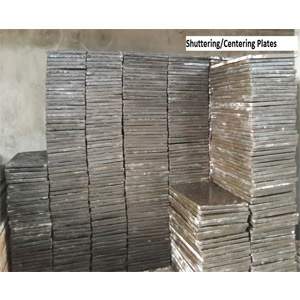
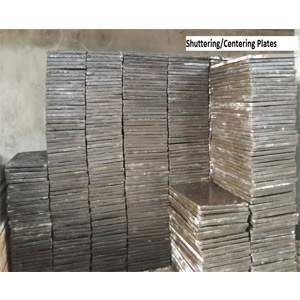
Details of Shuttering Plates Rental/Hire
You can trust our expertise in offering heavy duty bridge shuttering on rent service in Kalol, where every step is taken with thoughtfulness to avoid pitfalls and ensure quality results. We handle complex bridge projects that demand precise shuttering systems designed to support high loads and tough conditions. Our materials undergo strict checks before dispatch to prevent delays or safety issues at the site.
Managing heavy duty shuttering means we must factor in the unique challenges of bridge construction—like variable load pressures and environmental stressors. We keep stock ready for urgent needs so project timelines don't suffer. Sometimes this means sending extra props or plates last minute because schedules often shift unexpectedly. Our team stays flexible, adapting plans as projects evolve, which saves time and cuts down rework.
Then there’s the matter of corporate sustainability in our operations. Using rental shuttering reduces waste compared to buying new gear each time, which benefits clients facing tight budgets but also lessens environmental impact from manufacturing excess materials. We maintain equipment rigorously to extend lifespan and avoid breakdowns onsite, helping reduce unnecessary replacements and resource use.
Besides that, we focus on improving logistics routes for deliveries around Kalol to lower fuel consumption and emissions during transport. Coordinating with multiple contractors helps us plan drop-offs efficiently; fewer trips mean less pollution without compromising material availability. This approach supports longer-term cost savings too, passing some benefits back to clients while promoting greener construction methods.
Start a Sustainable Innovation Growth Plan
Looking ahead, we've started exploring modular formwork upgrades designed specifically for bridges needing faster assembly with fewer components—this innovation could cut erection times significantly plus reduce labor demands on site (something contractors are always asking about). Integrating newer lightweight steel alloys into these systems might balance strength with easier handling—a crucial factor given the scale and height involved in many bridge builds here. We're tracking results closely from pilot projects and tweaking design specs based on field feedback (one site had unexpected wind loads affecting stability; adjustments were made swiftly). Such steps aim at steady growth through smarter products rather than just expanding fleet size recklessly.
Offered Product
